
When preparing for a roofing project, many homeowners wonder whether cold weather can affect the installation of asphalt shingles. Temperature plays a major role in how roofing materials perform, and understanding these factors helps ensure a durable and safe roof installation.
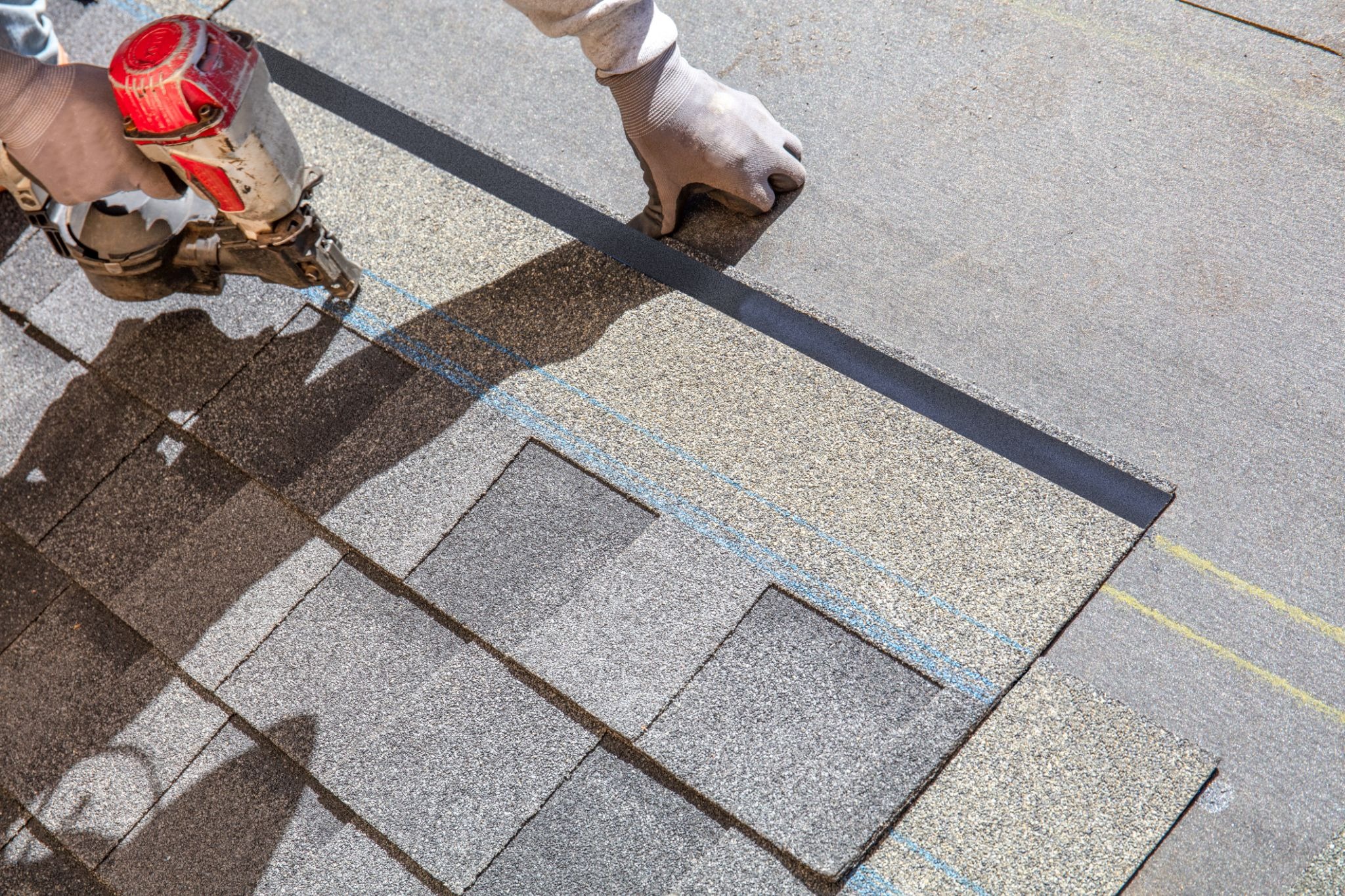
Recommended Temperatures for Asphalt Shingle Installation
Asphalt shingles require specific temperature conditions for proper installation. Most manufacturers recommend installing shingles when temperatures range from 40 degrees Fahrenheit to 85 degrees Fahrenheit. Within this range, shingles remain flexible, easier to handle, and more likely to seal correctly. When temperatures drop below 40 degrees Fahrenheit, shingles can become brittle, increasing the risk of cracking during installation.
Challenges of Cold Weather Installation
Cold weather creates several difficulties that can impact both the installation process and long-term performance. The adhesive sealant strip on asphalt shingles is designed to activate with heat. When temperatures are too low, the seal may not bond properly, leaving shingles vulnerable to wind lift and water intrusion until warmer weather helps the adhesive cure. Handling brittle shingles also increases the risk of breakage and improper placement.
Important Considerations for Winter Roofing
Although winter roofing is not ideal, circumstances such as storm damage or urgent structural issues may require roofing work during cold weather. When this happens, roofers must take extra precautions and use specialized techniques to ensure a secure installation. For some projects, switching to materials that perform better in cold temperatures can help increase reliability.
Cold Weather Roofing Tips
Proper Storage of Materials
Store shingles in a warm, enclosed space until they are needed. This helps maintain flexibility and reduces breakage.
Special Installation Practices
In colder temperatures, roofers may need to manually seal shingles using roofing cement. They may also use additional nails per shingle to ensure secure attachment until natural heat activates the adhesive.
Enhanced Crew Safety
Cold conditions can create slippery surfaces and increase the risk of frostbite or hypothermia. Extra safety precautions, protective gear, and careful movement on the roof are essential.
Metal and Polymer Roofing Alternatives
Some roofing materials are less affected by low temperatures. Metal roofing and composite polymer roofing maintain durability and flexibility in colder climates. These options can be ideal for homeowners who must move forward with winter roof installations and want to avoid the limitations of asphalt shingles.
Conclusion
Installing asphalt shingles in temperatures below 40 degrees Fahrenheit is possible but not recommended. Cold weather increases the risk of shingle damage, improper sealing, and longer installation times. If your roofing project cannot be postponed, consider alternative materials or hire an experienced roofing team that understands proper cold weather installation techniques.
Let Veterans Roofing and Property Maintenance Guide Your Next Roofing Project
Veterans Roofing and Property Maintenance of Orlando, FL is committed to helping homeowners make informed decisions, even when weather conditions are less than ideal. Our skilled team works with a variety of roofing materials and follows best installation practices to ensure long-lasting results. Call us at 844-824-0856 or fill out our online form to schedule your roofing consultation in Orlando, FL and the surrounding areas.